MARTIN MAWAYA
Zvishavane –Devolution funds have transformed Zvishavane town as the local authority enhances its inclusive infrastructure development trajectory and advances the well-being of its residents.
The funding is assisting the local authority in improving access to social amenities through key infrastructure development, including the construction of schools, revamping the water system, and acquiring yellow equipment, among other projects.
Since 2019 to January 2025, Zvishavane has witnessed a number of developmental projects utilizing its share of the devolution funds from the central government.
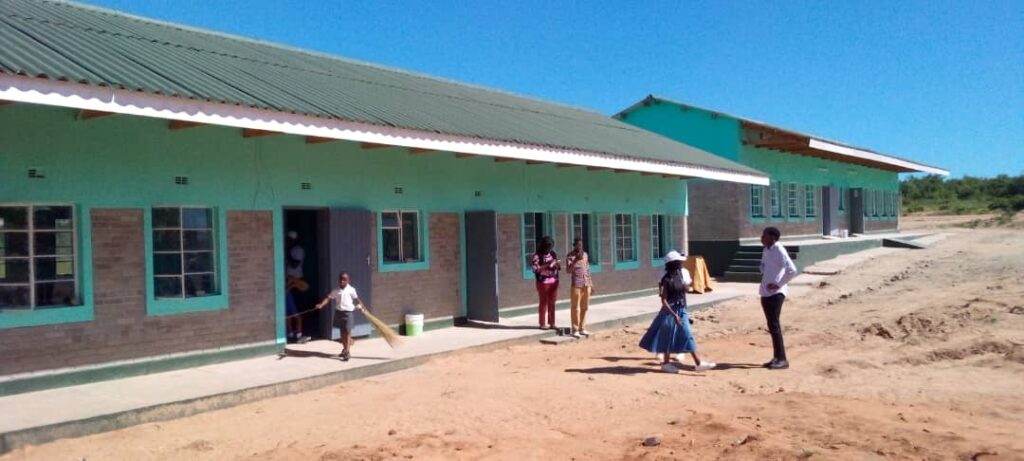
One notable project is the completion of Highlands Primary School in 2024, at a cost of ZwG121,201,640.54.
Highlands Primary is a satellite school for Makwasha Primary, with an enrollment of 90 learners.
Currently, the school has four teachers and accommodates grades 1 to 4, with plans to expand each year until it starts enrolling for grades 5 to 7.
Zvishavane’s acting Town Secretary, Max Mugandani, told The Midweek Watch that the mining town has used ZwG808,976,687.97 to upgrade the sewer treatment plant, enhance water reticulation, acquire yellow machinery, and construct schools using devolution funds distributed by the government.
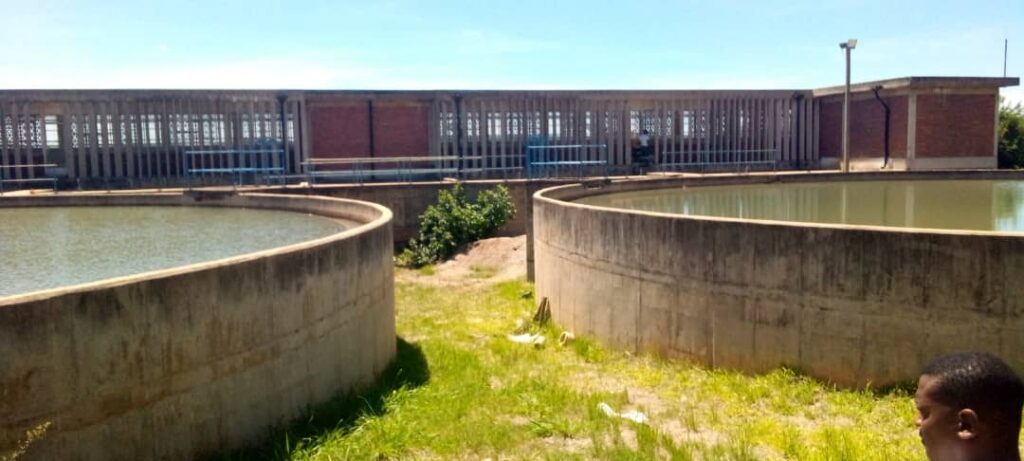
He noted that the town council utilized ZwG25,609,766.33 to upgrade the Mabhula sewer treatment plant, ZwG 13,779,750.10 for water reticulation upgrades, and raw water meters worth ZwG5,899,414.67.
Mugandani added that the local authority used devolution funds to procure road equipment, including a motorized grader, SD13 bulldozer, tractor-drawn bowser, and a refuse compactor, all worth ZwG41,843,852.77.
The council also procured a fire tender worth ZwG501,559,630.40.
He stated that they have managed to “rehabilitate the Ngezi water treatment plant to increase the supply of potable water to residents.”
Council Acting Engineer Munyaradzi Mageja noted that the devolution funds have helped the town council to increase the raw water uptake and pumping capacity.
“What we have been doing is increasing the raw water uptake by utilizing the existing apparatus. We have managed to convert dirty water into potable drinking water, thereby improving the quality of water for residents,” he said.
In 2024, Mageja noted that the council has added another pump to achieve an average rate of 24 megalitres, up from an average of 16 megalitres.
He added that council cannot increase production beyond 24 megalitres without expanding the raw water uptake and increasing sedimentation and filtration.
“We need to install one more filter bed to achieve 30 to 36 megalitres per day of treated water. We also have to enhance high-lift pumping to the ground reservoir and increase the capacity of the line that delivers water to the town,” Mageja stated.

