Faith Ndou
ZVISHAVANE-Zvishavane has no single school offering Braille or equipped with Braille learning materials, a situation that continues to marginalise learners with visual impairments, a pressure group has lamented.
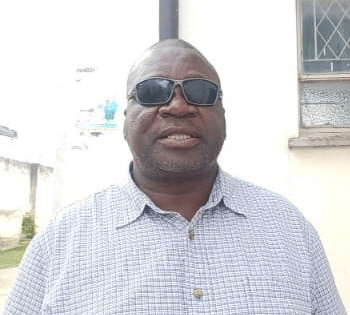
The Disability Amalgamation Community Trust (DACT), an organisation that represents the visually impaired constituency in Zimbabwe voiced this anomaly during World Braille Day belated commemorations.
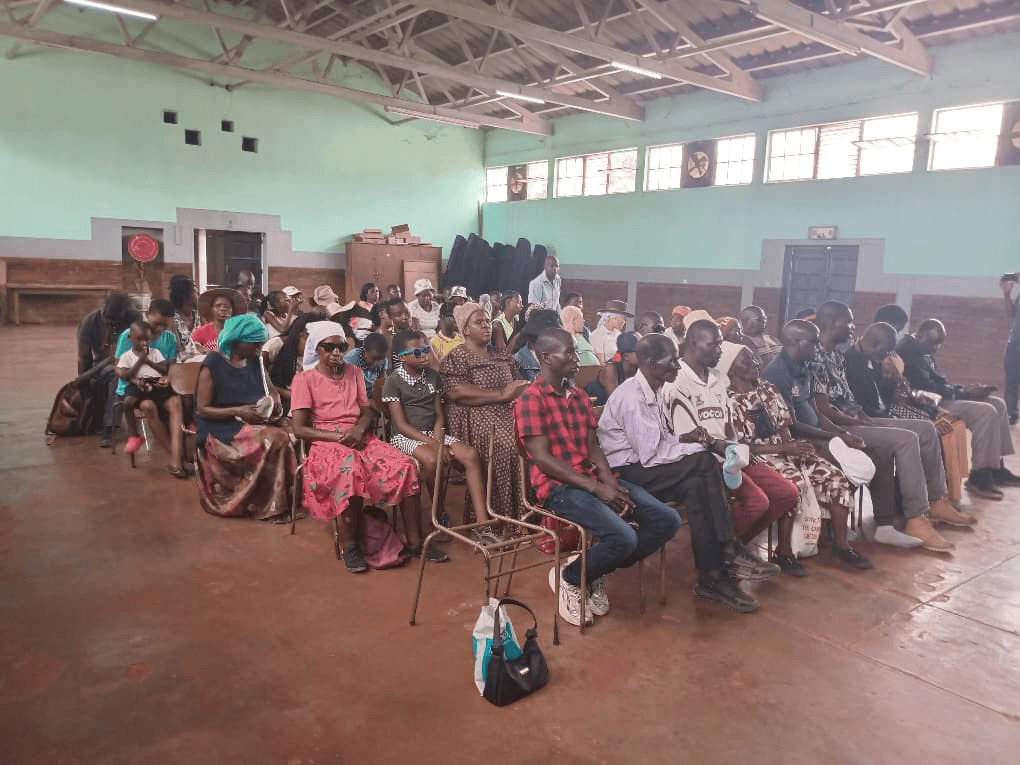
The commemorations were held on the 5th of January at Chiedza Hall in Zvishavane.
The event brought together participants from all provinces and various disability groups particularly persons with visual impairments.
World Braille Day is commemorated globally every year on 4 January to honour the birth of Louis Braille, the inventor of the Braille system.
The day highlights the importance of Braille as a vital tool for literacy, independence, accessibility and inclusion for people who are visually impaired.
As the world marks this day, stakeholders are encouraged to strengthen inclusive practices, improve accessibility and recognise the resilience and potential of persons with visual impairments.
This year’s international theme titled: Reading the World Through Touch, Dignity, and Inclusion: focuses on raising awareness around accessibility and inclusion.
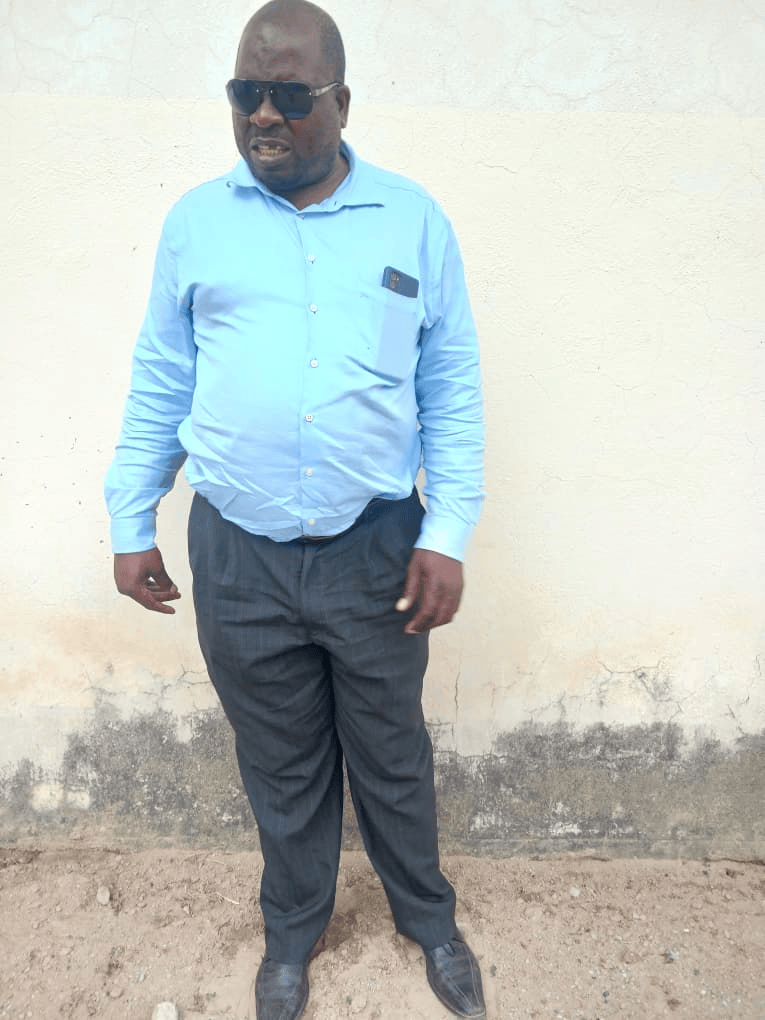
Speaking at the commemorations, DACT Zvishavane Coordinator Denias Mudzingwa, who is visually impaired and also an administrator at Swazi High School in Matabeleland South said the celebration of World Braille Day symbolizes independence, inclusivity, accessibility and equality.
“Through Braille, we are independent and able to exercise inclusivity,” said Mudzingwa.
He however lamented the high cost of Braille-which is imported-saying it militates against inclusivity.
He further revealed that no school in Zvishavane currently has Braille equipment or offers Braille instruction, calling on education authorities to urgently address the gap.
“We are calling upon the education system to ensure that there is at least one school offering Braille instruction in Zvishavane” said Mudzingwa.
Mudzingwa also appealed to tertiary institutions to introduce compulsory disability related courses including Braille and sign language, to adequately train teachers to support learners with disabilities.
The World Health Organization (WHO) estimates that there are between 670 to 894 thousand people with visual impairment in Zimbabwe.
Meanwhile, Zimbabwe Visually Impaired Teachers Union Vice President Tawanda Nyathi urged local authorities to enforce mandatory inclusion of Braille signage in public infrastructure saying this would promote independence among visually impaired persons.
“Local authorities must ensure that all buildings have Braille markings so that a visually impaired person can independently identify entrances and distinguish between male and female ablution facilities without assistance,” said Nyathi.
The business community was equally challenged to include Braille on product packaging, enabling visually impaired consumers to identify goods independently and with dignity.
Other stakeholders stressed that meaningful inclusion goes beyond commemoration, urging concrete action to ensure Braille access in schools, public spaces and everyday products for persons with visual impairments.
