Martin Muleya
Chimanimani West Junior Member of Parliament, Evelyn Kawaza last week highlighted the pressing issue of climate change affecting the youths in her constituency during the Participatory Organic Research Extension and Training Organization (PORETO) district agricultural show held at Chakohwa High School.
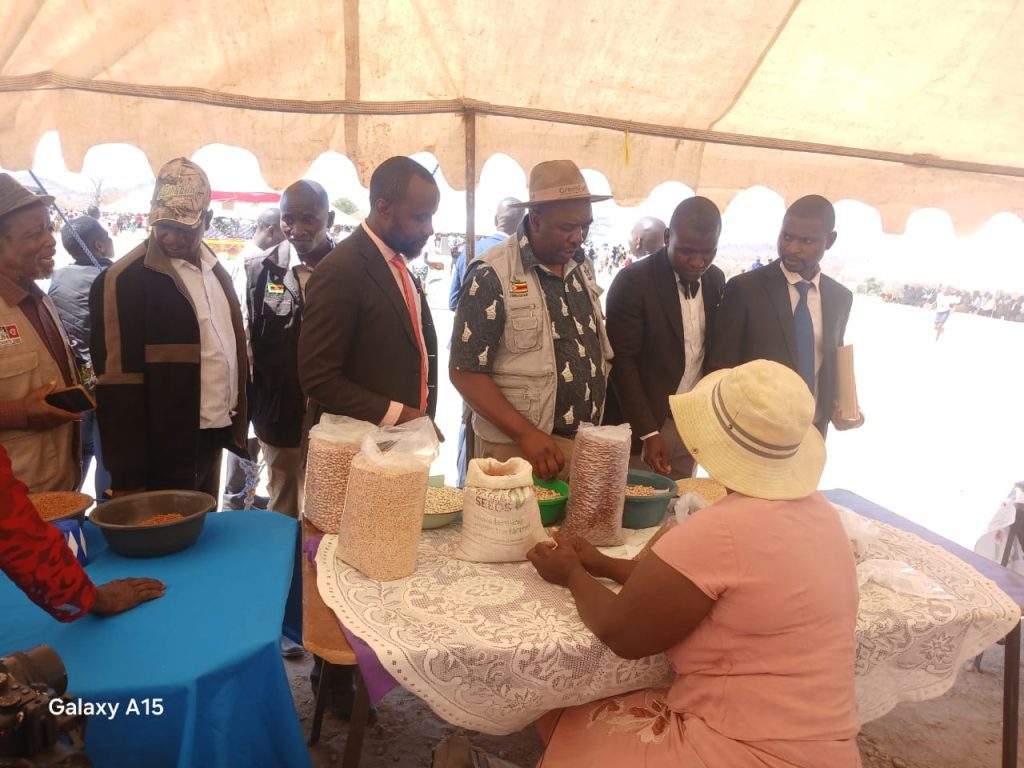
Kawaza emphasized the need for irrigation systems to mitigate the impact of climate change on agriculture, ensuring food security and reducing hunger. She specifically advocated for nutritional gardens in communities, which would not only provide a source of nutritious food but also empower the youths.
The coming in of PORETO in Chakohwa area has been instrumental in educating people about crop production. According to Kawaza many youths lack knowledge about farming, but PORETO’s programs have helped bridge this gap.
PORETO focuses on promoting agro-ecology and supporting farmers in growing small grains. The organization is working with over 4 000 farmers in Chakohwa area covering 13 wards. They provide training and resources for farmers to grow small grains and adopt sustainable agricultural practices as well as partnering with Nhedziwa Farmers Market to sell products on behalf of farmers, ensuring they receive fair prices.
PORETO programs manager Blessing Chamudondo noted that their organization prioritized farming, growing and cultivating while also promoting agro-ecology. By working with other organizations, PORETO aims to create a network of support for farmers.
A fellow student at Chakohwa High School, Pardon Mutapa, shared his personal experience, highlighting the challenges faced during the dry season. Livestock often travel long distances in search of water, disrupting their lessons and affecting students’ education.
Chakohwa area is a semi-arid area in Chimanimani district, characterized by low and erratic rainfall, making rain-fed agriculture a challenge.
The region’s annual rainfall is typically below 500 millimeters categorizing it as natural region 5, suitable for extensive farming and small grains cultivation. Despite these harsh conditions, over 4 000 farmers in Chakohwa through PORETO, have found resilience in growing small grains such as millet and sorghum, which are well suited to the area’s climate.
