Martin Muleya
CHIPINGE-In the rolling hills of Mutema, Chipinge district, farmers are being urged to tap into the power of rhizobia inoculants to super change their sugar-bean productivity.
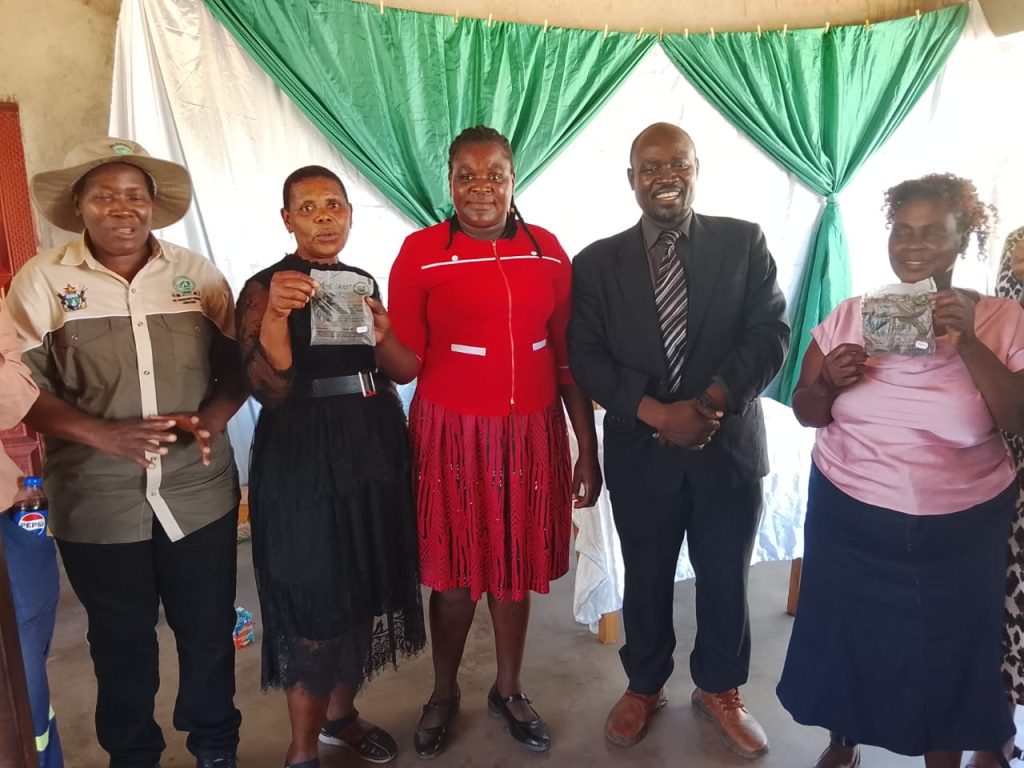
This humble legume is a staple crop for smallholder farmers, providing a vital source of nutrition, income and sustainability for their cropping systems.
However, sugar-bean yields have been struggling due to declining soil fertility, particularly nitrogen deficiency. The answer lies in the rhizobia inoculants, a cost-effective and eco-friendly solution that enhances biological nitrogen fixation, reducing reliance on inorganic fertilizers and boosting soil health.
Despite their benefits, adoption of sugarbean-specific rhizobia inoculants remains low in Manicaland province, largely due to limited awareness and targeted marketing. The Soil Productivity Research Laboratory (SPRL) is stepping up efforts to change this narrative, promoting awareness and correct use of inoculants through targeted marketing, farmer training and demonstrations.
Ministry of Lands, Agriculture, Fisheries, Water and Rural Development (MLAWFRD) provincial director Nhamo Mudada weighed in saying rhizobia is a natural fertilizer. He reiterated that the use of rhizobia inoculants will see the rise of yields in sugar-bean from 2.5 to 3 tonnes per hectare.
“Sugar-bean in Manicaland is being grown at a large scale, although more often than not farmers buy the fertilizers at exorbitant prices. So the introduction of rhizobia will increase the yield on farmers’ crops. This an initiative where farmers they get a lot of money on sustainable farming.
“We have a promotion as a Ministry, whereby we are supporting the protection of our natural ecosystems. We have capacity to train our farmers in the whole province as well, he said.
With media support and collaboration with extension services and agro-dealers, SPRL aims to stimulate demand and encourage sustained adoption of rhizobia inoculants. This aligns with national priorities on soil fertility restoration and climate-smart agriculture.
A local farmer Peter Madhau said SPRL training on the use of rhizobia inoculants will help them decrease the amount of fertilizers they use during farming.
“What we have learnt pleased us. We used to buy fertilizers at exorbitant prices and the collaboration we have with our extension officers I am hopeful that it will help us increase our yields from this training.
SPRL research scientist said the number of farmers into sugar-bean farming in Chipinge district is high. The main focus is that there is an established irrigation scheme.
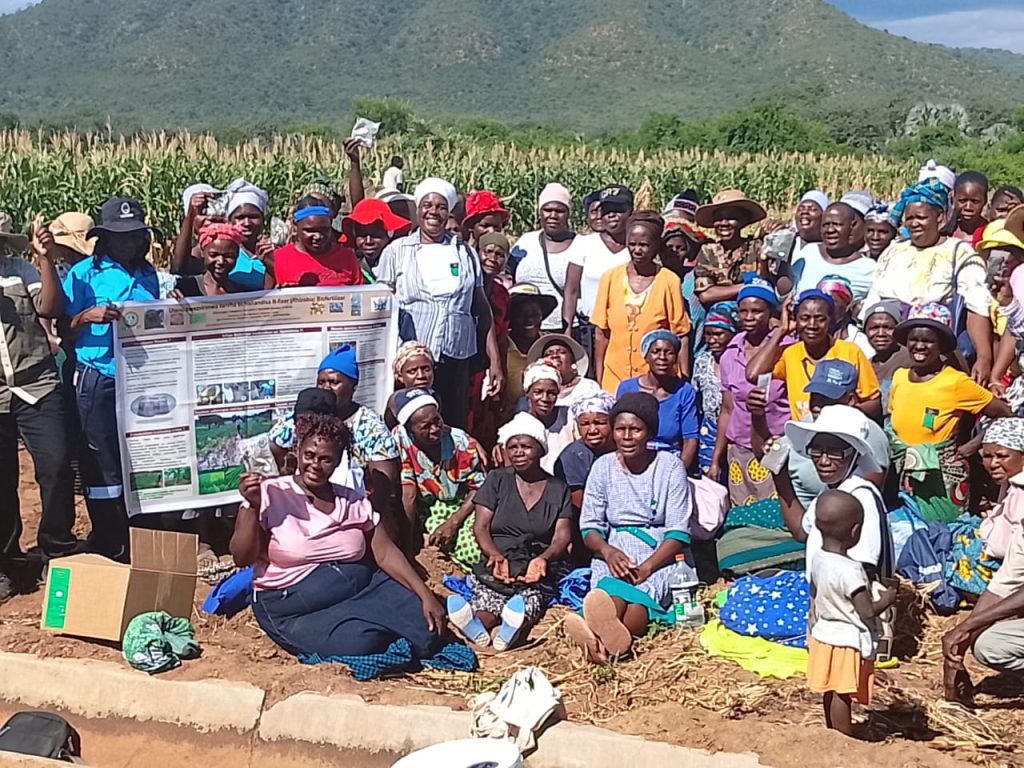
“We have selected to start our training in Manicaland considering that the number of sugar-bean farmers here is higher than in other provinces. The main focus has been drawn by the fact that there is an established irrigation schemes with more than 1 500 plants per plot. In Chipinge we started with Mutema, Taona and Bwerudza.
“At Mutema Taona irrigation scheme we have land that is up to 200 hectares under irrigation and of this area there is also 245hectares of maize. We have had chance to train farmers of Taona irrigation scheme on how to use Rhizobia inoculant efficiently how to correctly apply Rhizobia on sugar-bean. This has been done together with farmers and the farmers have show great enthusiasm and interest. Previously farmers have been in sugar-bean farming were producing not above 1.5tonnes per hectare. We hope with the uptake of the Rhizobia inoculant technology we can reach 2 to 3tonnes per hectare of sugar-bean considering that the crop after application of the Rhizobia inoculant will fix its own nitrogen,” she said in an interview.
For farmers in Mutema irrigation scheme, this is a game-changer. By embracing rhizobia inoculants, they can improve yields, reduce costs and contribute to a more sustainable agricultural future.
