The term BACOSSI (Basic Commodities Supply Side Intervention)—once synonymous with economic desperation during the late Robert Mugabe’s turbulent era—has refused to fade into history.
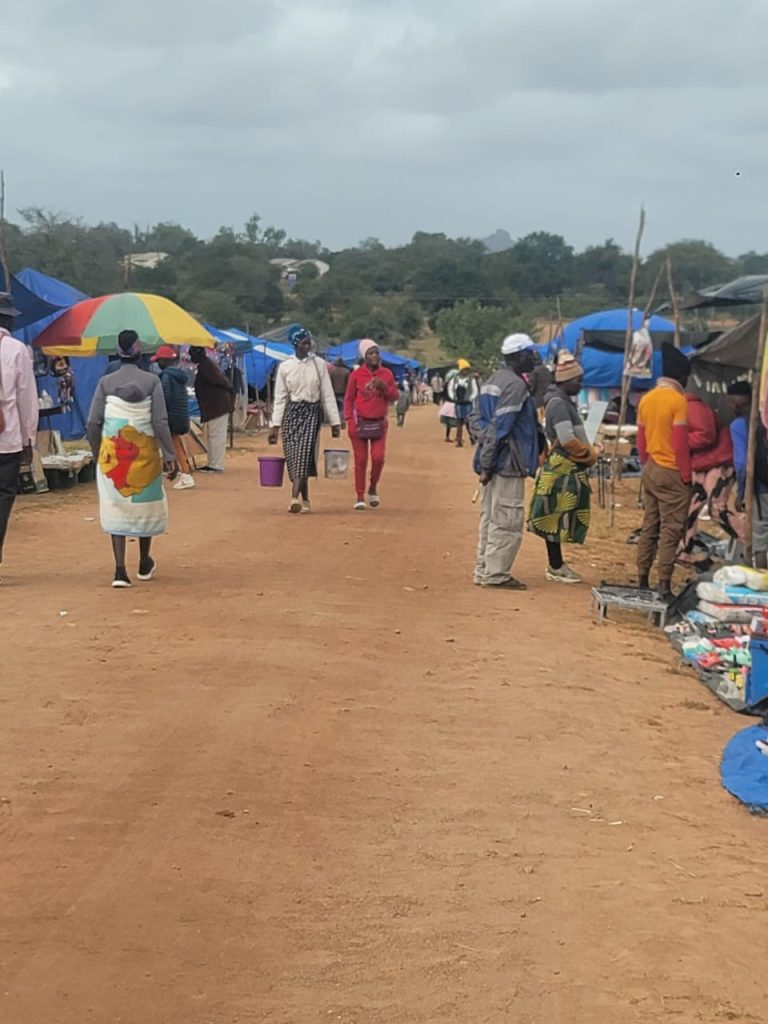
Originally coined as an acronym for Basic Commodities Supply Side Intervention, the program was introduced to cushion citizens from skyrocketing prices of essential goods. While the economic policy itself is now widely criticized as a failure, the name BACOSSI has found new life in today’s informal economy, adopted by mobile traders who crisscross remote parts of the country to make a living.
In places like Maranda, Dhombodhema, Bonda, Chimbudzi, and Musaverima, Maringire and many more places dotted around Masvingo, Midlands and Manicaland these makeshift markets come alive as early as nine in the morning. Traders, mostly seated on the ground, busily set up their stalls, while others finish their morning routines along the banks of the Maranda River. The atmosphere steadily grows louder—music blares, donkey carts jostle for space, and animated chatter fills the air. Occasionally, minor scuffles breakout, usually over trading space, but regulars quickly restore order in these unregulated yet oddly organized settings.
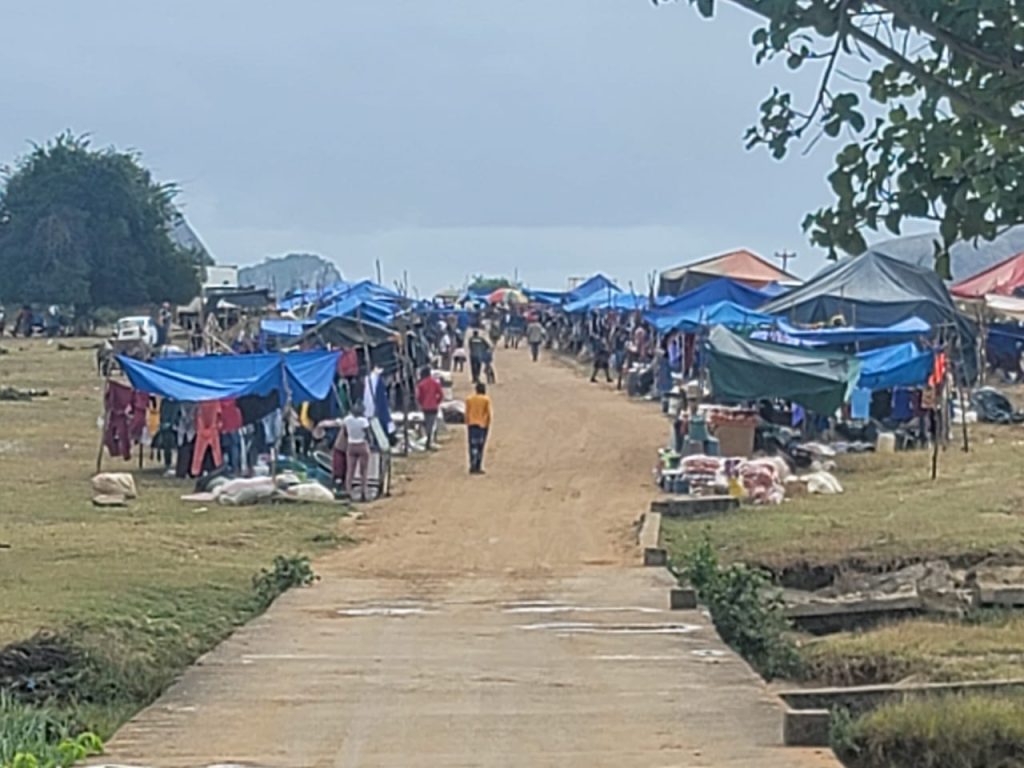
By midday, the trading zone is a hive of activity. Among the crowd, troubling sights abound: underage girls with dyed hair and revealing outfits move in groups, while heavily intoxicated young men roam nearby, cautiously avoiding law enforcement officers keen to exploit the chaos for bribes. Older men loiter with predatory intent, creating a dangerous mix that fuels concern. In one instance observed, a young man and a barely dressed girl slipped into nearby bushes—a common scene explaining the litter of used condoms scattered in the surrounding area. It’s alarming to consider the risks of unprotected encounters and the looming health threats they pose.
This is a social and public health crisis in the making. Government and non-governmental organizations must step in with urgent interventions—awareness campaigns, voluntary HIV testing stations, and even incentive-based participation strategies. These could include free giveaways to encourage testing and counselling. The same tactics used to lure young girls into risky encounters could instead be harnessed to protect them.
Even older women participate in these gatherings, some wearing overly tight clothes and exaggerated makeup, intoxicated and singing loudly. The lack of ablution facilities is another major concern. For gatherings that generate revenue for local councils, the absence of basic sanitation is inexcusable. Authorities must provide mobile toilets or build permanent facilities to cater to the growing number of attendees.
Despite these challenges, these BACOSSI markets are a testament to Zimbabweans’ resilience. Here, one can find everything—from vegetables, hardware, and alcohol to veterinary supplies, fashion items, and even questionable “performance enhancers.” Traders pack up in the evening, loading their goods into overloaded lorries, often losing stock to theft, damage, or confusion. Yet they press on, undeterred by bad roads or fatigue.
These men and women rarely rest, constantly moving from one BACOSSI centre to another—or to cities like Harare and Messina in search of merchandise. They are not merely traders. They are survivors, embodying the grit and determination of a nation navigating economic hardship.
These are the unsung heroes of our time. Their perseverance should be met not with neglect but with structured support from both government and development partners. With proper backing, their informal hustle can be transformed into sustainable economic empowerment.
Chana CheMasvingo the Wordsmith
0775125488
johannesmikemupisa11@gmail.com
