MILLICENT HUNGWE
Masvingo–Journalists, media stakeholders, and civic leaders gathered at the Masvingo Civic Centre to commemorate the World Press Freedom Day, focusing on the evolving challenges brought by artificial intelligence (AI).
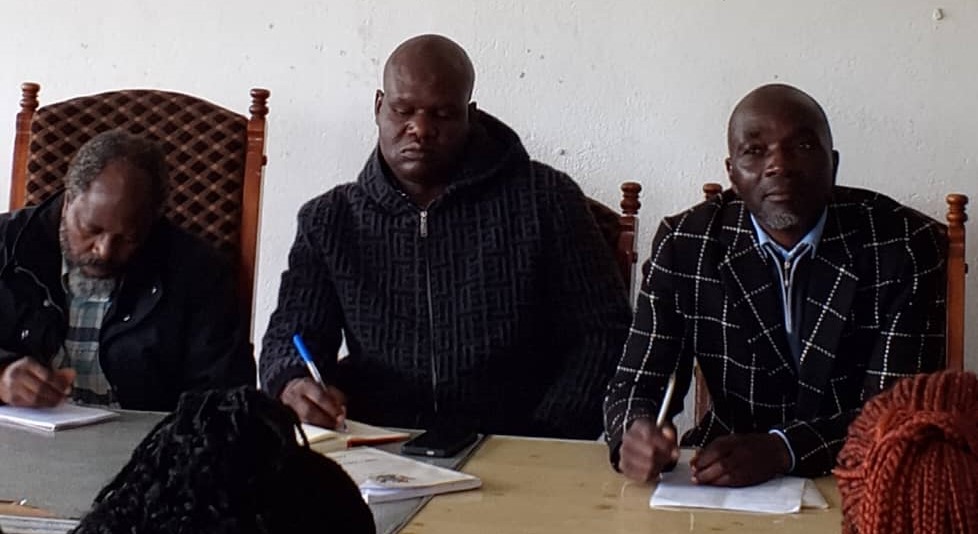
Among the key speakers were communication lecturer at Great Zimbabwe University (GZU) Dr. Gift Gwindingwi, Masvingo Urban MP Advocate Martin Mureri, and MISA Zimbabwe Chapter Board of Trustees chairperson, Chris Chinaka.
In his keynote address, Dr. Gwindingwi tackled the theme of the day: “Challenges Caused by Artificial Intelligence in Journalism.”
He warned that while AI can be a powerful tool for media professionals, its misuse poses a serious threat to press freedom and public trust.
“AI can now generate deepfake content images, voices, and videos that closely mimic real people,” he said.
“When such technology is misused, it blurs the line between truth and fiction, leading to widespread disinformation. Journalism is meant to reflect truth; if that mirror is distorted, the public loses trust in us,” he told the press.
Dr. Gwindingwi emphasized that manipulated content not only confuses audiences but also undermines the credibility of genuine journalism.
He also highlighted that the ordinary citizen is being left out in the fast-paced evolution of AI, deepening the gap between the elite and the general public.
“AI has made it difficult to control information. Cybercrimes, sex tapes, and fabricated videos are spreading fast, affecting both our culture and individual freedoms.
“It’s now harder for people to express themselves freely, fearing surveillance and possible retaliation,” he added.
Chinaka echoed similar concerns, urging journalists to take charge of their profession.
“We are professionals. We must continue sharpening our skills and find ways to responsibly engage with AI.
“MISA is here to support your growth, but journalists must also be proactive.
“We need internal policies, newsroom discussions, and national legislation that define how AI should be used ethically,” he said.
He concluded with a strong message: “The first line of defense for journalism is the journalist.”
Mureri also addressed the legislative vacuum surrounding AI-related abuses in Zimbabwe.
“There is currently no law or regulatory framework to address AI’s negative impacts,” he said.
“It takes just one minute for AI to destroy a person’s reputation. As parliamentarians, we recognize this gap and commit to ensuring legislation is introduced to protect the rights of citizens,” he added.
The commemoration served as both a celebration of media freedom and a sobering reminder of the new threats journalism faces in the digital age.
Attendees called for stronger collaboration between journalists, civil society, and lawmakers to safeguard ethical media practices in the face of evolving technology.
MISA Zimbabwe Chapter national chairperson Passmore Kuzipa whose speech was read by Theresa Takafuma on his behalf said, “as we stand at the crossroads of technological advancement and ethical responsibility, it is crucial that we, as a society, harness the power of AI to strengthen, not undermine journalistic integrity.
“In regions like Africa, and particularly Zimbabwe, where access to digital tools is uneven, we must ensure that AI becomes a force for inclusion, not marginalisation.
“MISA remains steadfast in advocating for global standards that protect press freedom, uphold human rights, and confront the rising threats of deepfakes, algorithmic bias, and AI-driven misinformation with decisive, transparent regulation.”
