Martin Muleya
CHIMANIMANI-Nestled in the rolling hills of Chimanimani rural district, lies the small village of Bumba, where sounds of chirping birds and rustling leaves have replaced the once-constant struggle for survival.
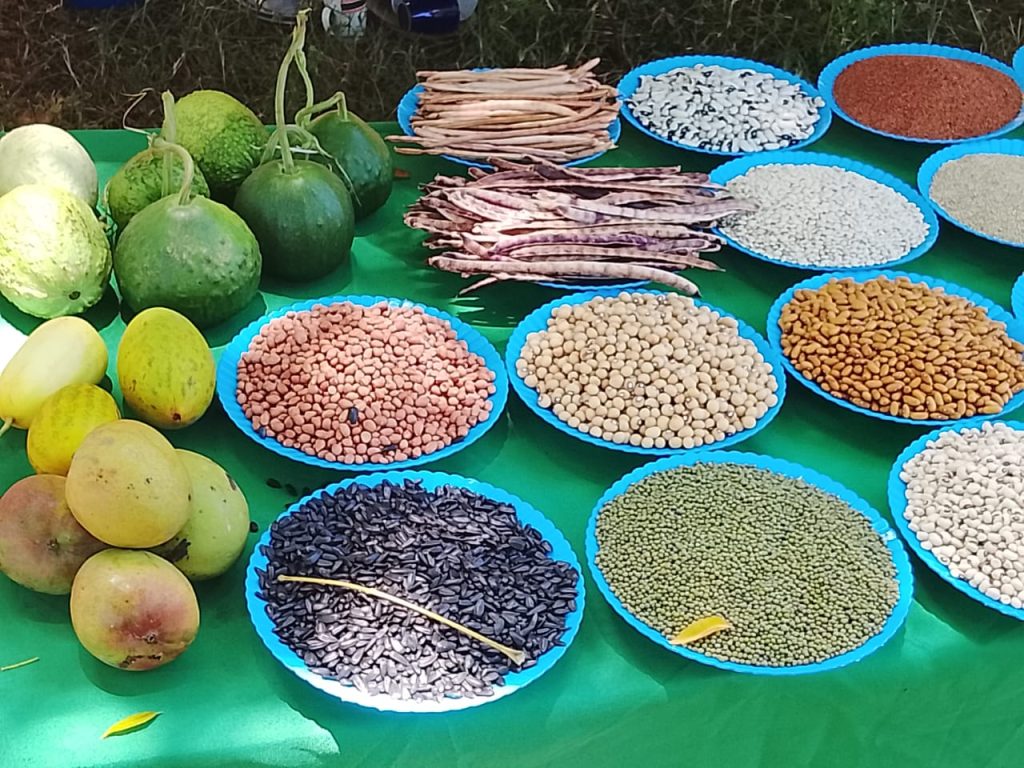
Here the weather is a blessing and a curse- the area receives moderate rainfall, but the dry spells can be harsh. Temperatures range from 15 degrees celcious, making it ideal for crops like maize, beans and vegetables.
For Ever Makwinimizi (43) a farmer in a polygamous marriage, life was a daily grind. She relied on traditional farming methods, struggling to feed her four children. But everything changed when she joined the NaturePlus project, initiated by Towards Sustainable Use of Resources Organization (TSURO) Trust. The project introduced her to agroecology- a holistic approach combining ecology and agriculture to create sustainable farming practices.
“I have seen a huge difference. My yields have increased and the soil is healthier. I am no longer dependent on expensive fertilizers and pesticides. My family is eating better and I can afford to send my kids to school”, says Makwinimizi beaming with pride.
Her story is not unique. Many farmers in Bumba have adopted agroecology and their lives are transforming. The NaturePlus project led by Roseline Mukonoweshuro, empowers farmers to work with nature, not against it.
“Agroecology promotes diversity and resilience. It is a game-changer for farmers, especially in the face of climate change. We are not just improving yields but we are protecting the environment for future generations”, said Mukonoweshuro.
The results are tangible, healthier soils, more abundant harvests and thriving ecosystems. Farmers are diversifying their crops, reducing reliance on a single crop and increasing their incomes.
The Nature Plus Project, implemented by TSURO Trust courtesy of funding by Global Affairs Canada (GAC) through the Canadian Food Grains Bank (CFGB) and the Primate’s World Relief and Development Fund (PWRDF), has its engine on Agroecology thematic anchored on 55 lead farmers.

