By Johannes Mike Mupisa
The people of Mwenezi were treated to a rare and insightful experience on Wednesday when the First Lady, Dr Auxillia Mnangagwa, visited Chief Chitanga’s traditional court to promote and observe traditional justice in action.
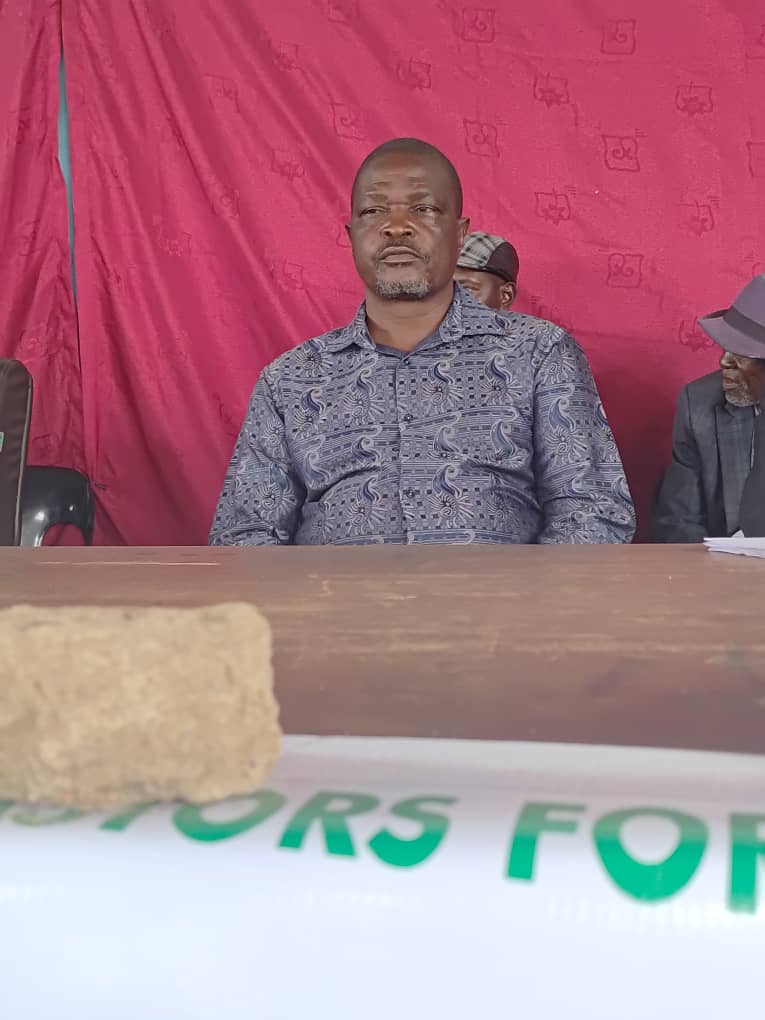
The visit drew an estimated 5 000 people, who attentively followed proceedings as seven cases were heard before the court — a testament to the enduring relevance of traditional institutions in conflict resolution and moral restoration.
Among the cases tried was one involving a family accused of desecrating a grave, followed by an intricate witchcraft dispute that underscored the sensitivity of cultural justice. The most gripping part centred on a self-proclaimed prophet accused of taking another man’s wife under the guise of performing spiritual exorcism. The prophet, who denied wrongdoing, claimed the act was part of divine instruction. His defence failed to convince the court, which fined him four beasts — a decision that resonated with many as a warning against the abuse of religion for personal gratification.
The First Lady patiently sat through the lengthy proceedings, commending the traditional leadership for upholding the country’s cultural heritage and promoting indigenous systems of justice that continue to play a crucial role in fostering peace and unity at community level.
Following the hearings, Dr Mnangagwa addressed the gathering, engaging openly with the public on pressing social issues such as drug and substance abuse, domestic conflicts, and the protection of women and children. Contrary to expectations that the occasion might assume a political tone, the First Lady kept her address focused on social transformation, cultural values, and moral uprightness.
Her calm and composed demeanour, even amid supposed political undercurrents elsewhere, demonstrated a maternal steadiness befitting her national role as a unifying figure.
True to her philanthropic nature, the First Lady ensured that no one left empty-handed. The elderly and physically challenged received priority assistance, while every attendee was served refreshments including the popular sumptuous Sapatina Sapatina, drinks, water, and a plate of sadza — gestures that reflected her compassion and inclusive spirit.
However, the otherwise well-organised event was not without blemish. Local artists were notably excluded from the entertainment line-up, with organisers citing time limitations. Performances were instead reserved for the Great Zimbabwe Traditional Dance Group, the Masvingo Teachers’ Choir, and the Mutendi Brass Band.
This decision drew disappointment from sections of the local arts fraternity. Veteran poet, dancer and actor Agrippa “Tivarere” Chiteretere expressed concern over the sidelining of home-grown talent.
“My fellow poet was on the programme but never performed,” he said. “He would have captivated the audience. Events of this nature should give local artists the opportunity to shine.”
Observers echoed his sentiments, noting that inclusivity in such gatherings would better reflect the Second Republic’s mantra of leaving no one and no place behind.
Despite the minor shortcomings, the day will be remembered as a celebration of motherly love, justice, and culture — a moment when the First Lady once again demonstrated her commitment to strengthening Zimbabwe’s social fabric through traditional wisdom and compassion.
