MARTIN MAWAYA
GWERU-Climate related droughts, floods and rising temperatures are disrupting women’s access to sexual and reproductive health services, leaving pregnant women and girls vulnerable to missed antenatal appointments, interrupted contraceptive supplies and poor menstrual hygiene.
Health and women’s rights advocates say sexual and reproductive health and rights (SRHR) must be integrated into Zimbabwe’s climate adaptation and disaster response programmes as extreme weather events increasingly put pressure on vulnerable communities.
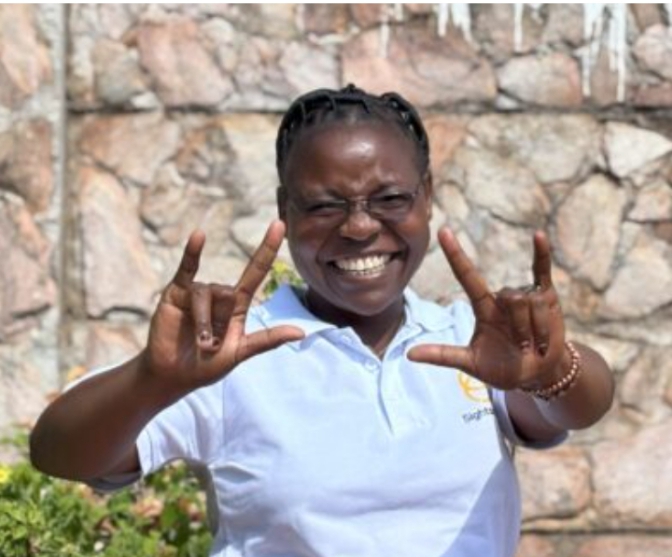
Multi-Aid Support Organisation (MASO) programmes officer Tinashe Matshikano said climate change should be recognised as a public health and human rights concern, not solely an environmental issue.
“Climate change is not only an environmental issue; it is also a health, gender, human rights, and development issue,” he said at the Third Quarter 2026 Provincial Family Planning Coordination Forum in Gweru.
Water shortages are among the major factors compounding reproductive health challenges, particularly in communities already vulnerable to climate shocks.
In urban areas, water shortages force women and girls to spend hours searching for alternative supplies, limiting their ability to maintain menstrual hygiene and access adequate sanitation.
In rural communities, prolonged dry spells and unreliable supplies create similar challenges, particularly where health facilities have limited access to water.
Drought-induced food shortages also threaten the nutrition of pregnant and breastfeeding women, while damaged roads and disrupted health services make it harder for expectant mothers to obtain essential care.
The scale of the challenge was evident during the 2023–24 El Niño-induced drought, when 7,6 million people, about half the population, faced food insecurity, according to the 2024 Zimbabwe Livelihoods Assessment Committee (ZimLAC).
UNICEF reported that 2 310 identified water sources had dried up, while 6 028 water points were non-functional.
Midlands, Masvingo and Matabeleland South were among the hardest-hit provinces.
Although food security improved after the 2024–25 agricultural season, the drought exposed the vulnerability of communities facing water shortages and pressure on essential services.
Women’s rights activist Locadia Mavudzi said the presence of a health facility did not necessarily guarantee access to reproductive healthcare.
“From a women’s rights perspective, a reproductive health service is not truly accessible simply because a clinic exists. Women must also be able to reach it, afford the journey, obtain the required services and receive care safely and with dignity,” she said.
Floods and cyclones can worsen these challenges by destroying roads and damaging health facilities, disrupting antenatal care, maternity services and outreach programmes that provide contraceptives.
Pregnant women in affected communities may struggle to reach health facilities, while those who rely on mobile clinics risk missing appointments and contraceptive refills when outreach visits are cancelled.
Rising temperatures also pose risks to maternal health.
A 2025 study published in Nature Medicine, which analysed 198 studies across 66 countries, found an association between heat exposure and adverse pregnancy outcomes.
The odds of preterm birth increased by four percent for each 1°C rise in heat exposure.
Women with disabilities face additional barriers when climate-related emergencies interrupt health services and critical information is not communicated in accessible formats.
Deaf Women Included (DWI) director Agnes Chindimba said deaf women were often excluded from emergency information because warnings and updates on health services were not consistently communicated in sign language or visual formats.
She cited DWI case studies from the December 2023 floods in Chimanimani, when the cancellation of outreach sexual and reproductive health camps left some deaf women unable to access antenatal care and contraceptive refills.
In Muzarabani, deaf women missed evacuation instructions during the 2024 floods because warnings relied on sound-based communication.
“Warnings use radio, loudspeakers, and WhatsApp voice notes,” Chindimba said.
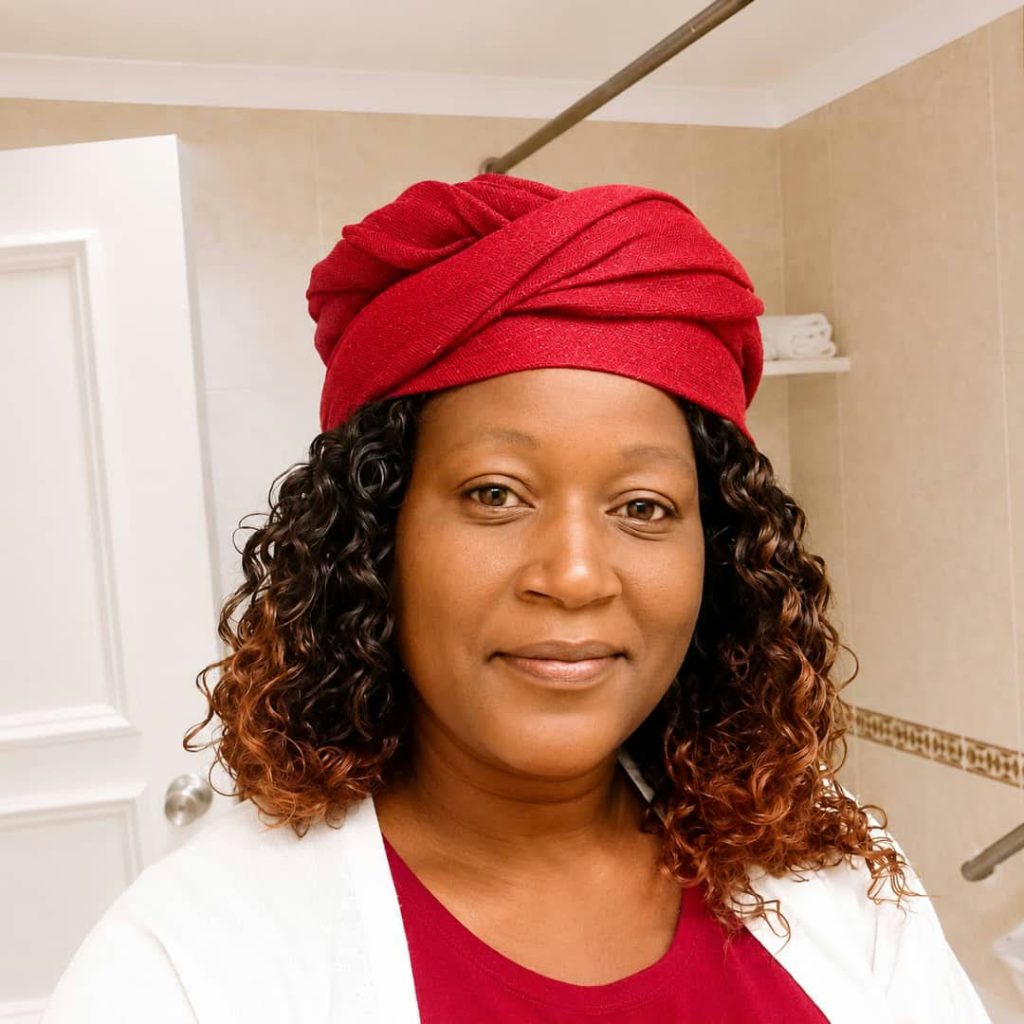
DWI also noted that the absence of sign-language interpreters at temporary shelters makes it difficult for deaf women to access information on reproductive health services and report cases of gender-based violence.
Chindimba added that a deaf pregnant woman in Chipinge missed two antenatal appointments after a bridge was destroyed because information about an alternative service point was not communicated in sign language.
According to Mavudzi, climate adaptation programmes should prioritize reliable water and electricity supplies at health facilities, emergency transport, trained health workers and adequate stocks of contraceptives and essential medicines.
She said reproductive health services should remain accessible during emergencies, with safe facilities and confidential support available to survivors of gender-based violence.
For Chindimba, sign-language interpreters should be included in health and disaster response teams, while emergency information should be provided through visual messages and other accessible formats.
Matshikano said strengthening reproductive health services would also improve communities’ ability to withstand and recover from climate-related emergencies.
“The relationship works in both directions,” he said.
He emphasised that family planning, maternal healthcare, adolescent-friendly services, HIV care and gender-based violence prevention should be incorporated into climate resilience planning.