MARTIN MAWAYA
GWERU—Residents associations and business representatives have endorsed City of Gweru’s ZiG2,13 billion 2027 budget, proposing only limited tariff adjustments, including a reduction in the proposed refuse collection charge from US$8 to US$6.
The stakeholders endorsed the budget, presented by acting finance director Michael Verenga at Town House on Friday, with only limited adjustments to the proposed tariffs, including the refuse collection concession.
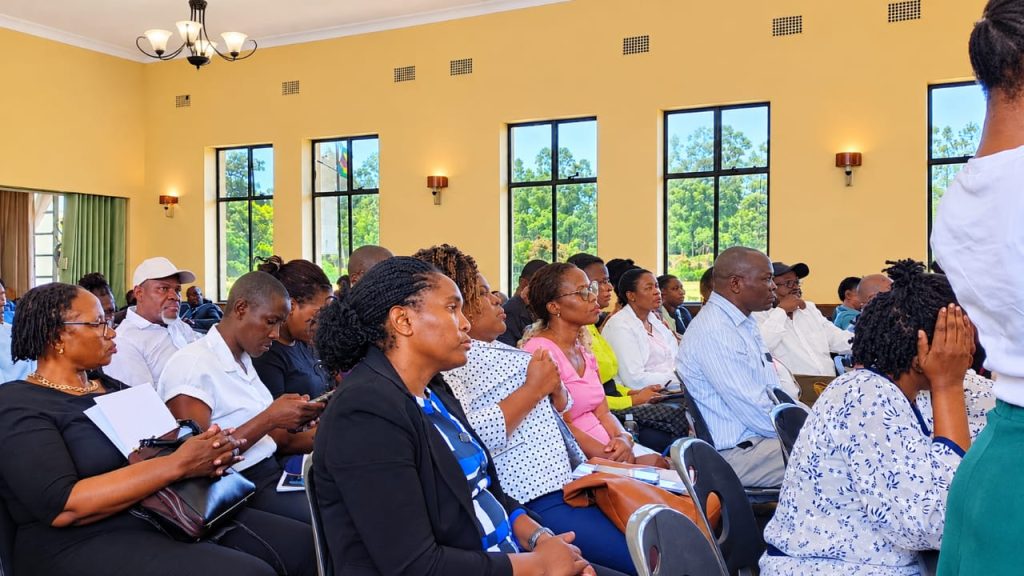
The ward-level consultations, which begin on Saturday, will extend the budget engagement process to residents in different parts of the city before the proposals are finalized.
The proposed refuse collection charge was initially set to rise by 60 percent, from US$5 to US$8, but the stakeholders negotiated it down to US$6, moderating the increase to 20 percent.
Council has also proposed a 60 percent adjustment to domestic fixed water and sewerage charges, with the fixed water charge rising from US$5 to US$8.
Water consumption tariffs are set to increase by approximately 37 percent across the domestic consumption bands.
The local authority says the water and sanitation tariff review is informed by rising electricity costs, raw water charges, treatment chemicals, fuel, infrastructure maintenance and labour costs.
The 2027 budget retains the previous year’s overall expenditure ceiling, with internal adjustments to allocations to support service delivery and development programmes.
Water, sanitation and hygiene services receive the largest allocation of ZiG741,6 million, representing 34,8 percent of the budget.
Governance and administration follows with ZiG712,9 million, accounting for 33,5 percent, while operational services and fleet management receive ZiG284 million, representing 13,3 percent.
Local economic development has been allocated ZiG213 million, while roads and transport infrastructure receive ZiG56,1 million.
Other allocations include ZiG41,9 million for housing and community services, ZiG42,6 million for disaster risk and emergency management, ZiG29,6 million for public safety and ZiG8,6 million for environmental management.
The budget’s funding structure places emphasis on local revenue mobilisation, with 63 percent expected from rates and service charges paid by residents and businesses.
A further 17 percent is expected from debt recovery and land development initiatives, while government grants contribute four percent.
Licensing fees and permits, rentals, public-private partnerships and other investments account for the remaining 16 percent.
Council’s September 2026 financial report shows that it had collected ZiG1,65 billion in revenue by September 30, representing 77,7 percent of its full-year target of ZiG2,13 billion.
Expenditure stood at ZiG1,31 billion, representing 61,6 percent of the annual budget, while the debtor portfolio was recorded at ZiG1,15 billion.
Average cash collection efficiency stood at 74 percent.
The budget sets targets that include increasing average water availability from 12 hours in 2026 to as much as 20 hours daily, achieving 100 percent weekly refuse collection coverage and rehabilitating or maintaining 70km of roads.
Water and sanitation projects include rehabilitation of Gwenoro pump station, improvements to Pakamisa pumping infrastructure and Whitewaters Water Works, sewer reticulation upgrades and improvements to wastewater treatment facilities.
Council also plans to install additional solar street lights, plant 1 400 trees, develop Mkoba Fire Station and expand housing, market and small-to-medium enterprise infrastructure.
The tariff schedule also incorporates changes associated with Statutory Instrument 41 of 2026, which provides a revised framework for selected local authority fees.
Among the adjustments, council has reduced its abattoir annual licence from US$875,13 to US$20, while bank registration falls from US$1 300 to US$20.
The proposed tow-away charge has also been reduced from US$100 to US$50.
However, the proposed shop licence application fee remains at US$83,20, against the US$20 figure listed under SI 41 of 2026. Council did not provide an explanation for the discrepancy.
The ongoing ward consultations are expected to provide further public input on the proposed tariffs, budget priorities and service delivery commitments before the 2027 financial plan is concluded.