Rutendo Chirume
CHIVI NORTH-Chivi North Constituency has commissioned 29 development projects targeting improved education infrastructure, rural electrification, business development and access to water as part of efforts to accelerate rural transformation.
The projects include classroom blocks at 11 schools, electricity installations at seven institutions, Village Business Units (VBUs), Strategic School Business Units (SSBUs) and borehole drilling initiatives aimed at improving service delivery and creating economic opportunities in rural communities.
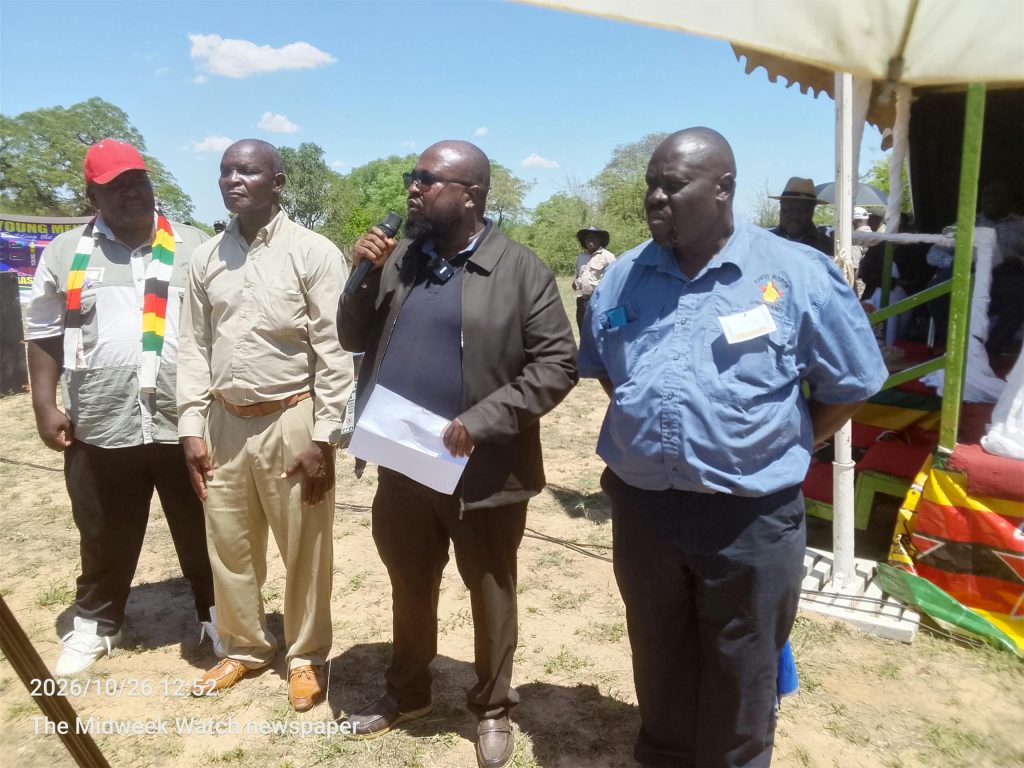
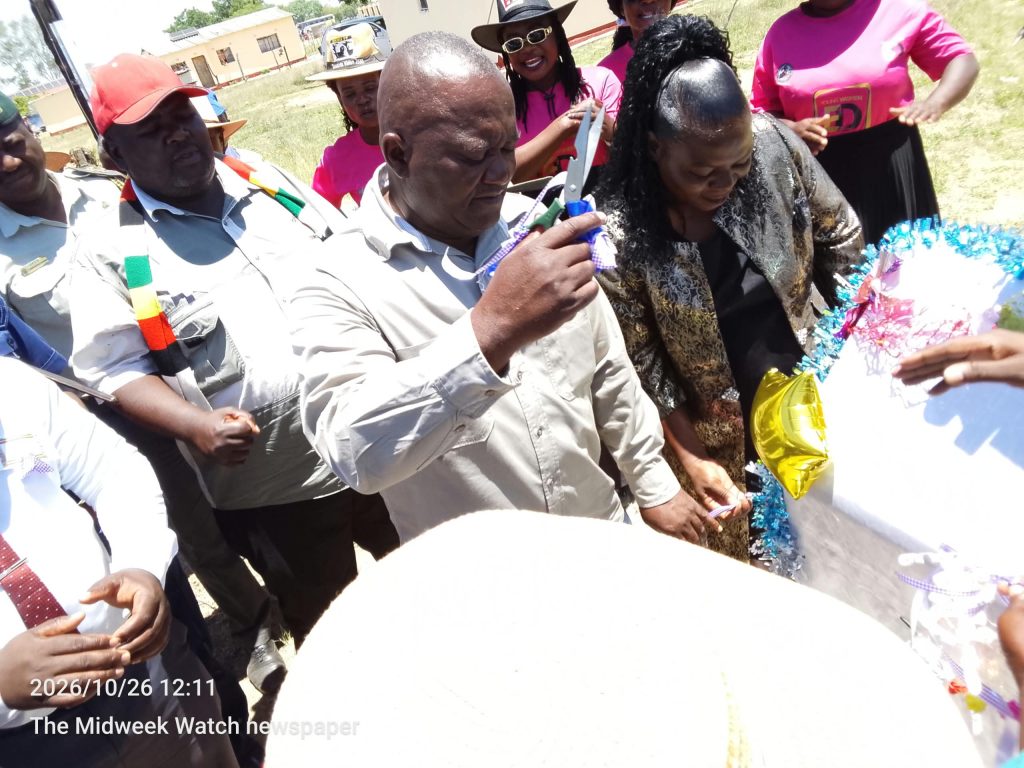
Masvingo Provincial Minister of State for Provincial Affairs and Devolution Ezra Chadzamira officially commissioned the projects at Maramba Primary School in Ward 5, Chivi North Constituency, highlighting the role of infrastructure development in improving livelihoods.
Giving his welcome remarks, Chivi North Constituency legislator Godfrey Huruva Mukungunugwa expressed gratitude to President Emmerson Mnangagwa for supporting development initiatives in the constituency.
“The support we have received has enabled us to address some of the most pressing needs in our schools and communities,” Mukungunugwa said.
The legislator said schools across his constituency were working towards establishing Strategic School Business Units to support feeding programmes for learners while generating income to improve the welfare of both teachers and pupils.
“Our schools must not only be places of learning; they should also be able to generate resources that support learners and improve the welfare of teachers,” he said.
He said the initiatives would also enable schools to raise funds for their own development needs, reducing their dependence on limited resources while strengthening their capacity to provide a better learning environment.
At Maramba Primary School, located approximately seven kilometres from the main road, the development programme has resulted in improved learning infrastructure.
The School Development Committee chairperson Shingairai Mukanhairi said the school which was built in the colonial era, had received a standard classroom block comprising two tiled classrooms, electricity and Starlink connectivity.
“This development has brought a new sense of hope to the school and the surrounding community,” Mukanhairi said.
Mukanhairi said the developments demonstrated the importance of extending infrastructure to rural communities in line with the principle of leaving no place and no one behind.
School head Tambudzai Chitambira is also extended her gratitude to the government support and parents for being available supporting the building of two classrooms.
In his official remarks Chadzamira said the investments were intended to ensure rural communities benefit from infrastructure that supports education, healthcare and economic development.
“These projects are meant to transform the lives of people in rural communities by bringing essential services and economic opportunities closer to them,” Chadzamira said.
He said the electrification programme would enable institutions and communities to access modern services while creating opportunities for small businesses, agricultural processing and other income-generating activities.
“Once communities have accessto electricity, they can expand small businesses, process agricultural produce and create employment opportunities,” he said.
The minister cited the electrification of seven institutions, including a health clinic, Shanga Rural Business Centre and RubweRuchena, Madyangove , among the developments undertaken by the second Republic in the constituency.
He said development initiatives should create opportunities for women, young people and other community members to participate in economic activities and improve their living standards.
“Communities must protect these facilities and ensure that they are used productively for the benefit of present and future generations,” he said.
Beyond classroom construction and electrification, the constituency’s development programme includes Village Business Units and Strategic School Business Units intended to support enterprise, school feeding programmes and income generation.
The SSBUs are expected to provide schools with opportunities to generate revenue that can be reinvested in educational activities and infrastructure while supporting learner welfare.
The commissioning marks a significant investment in Chivi North’s rural infrastructure, with the long-term benefits expected to depend on effective management, maintenance and utilisation of the facilities.