MILLICENT HUNGWE
BIKITA — Masvingo Province its belated World AIDS Day with a heartfelt call for intensified efforts in combating HIV and AIDS amid concerning fluctuating trends, especially among women and adolescents.
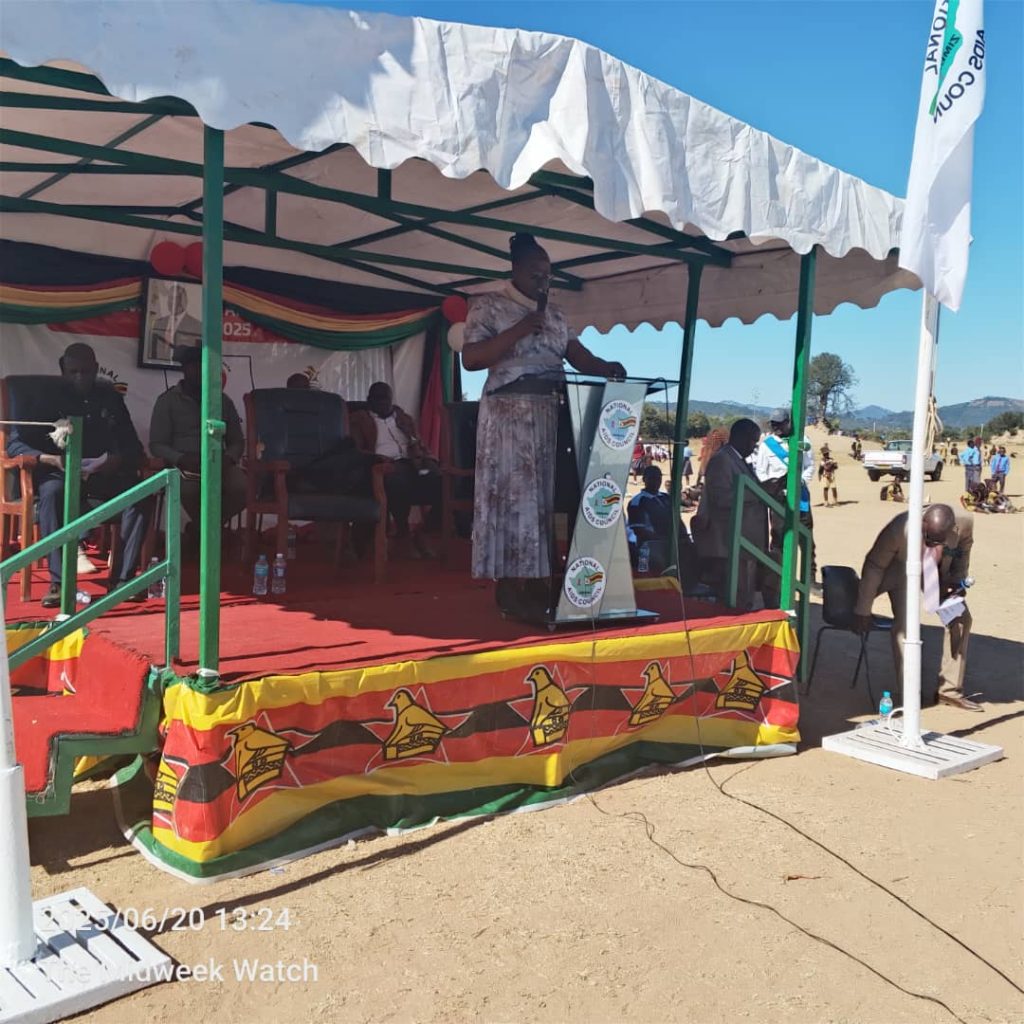
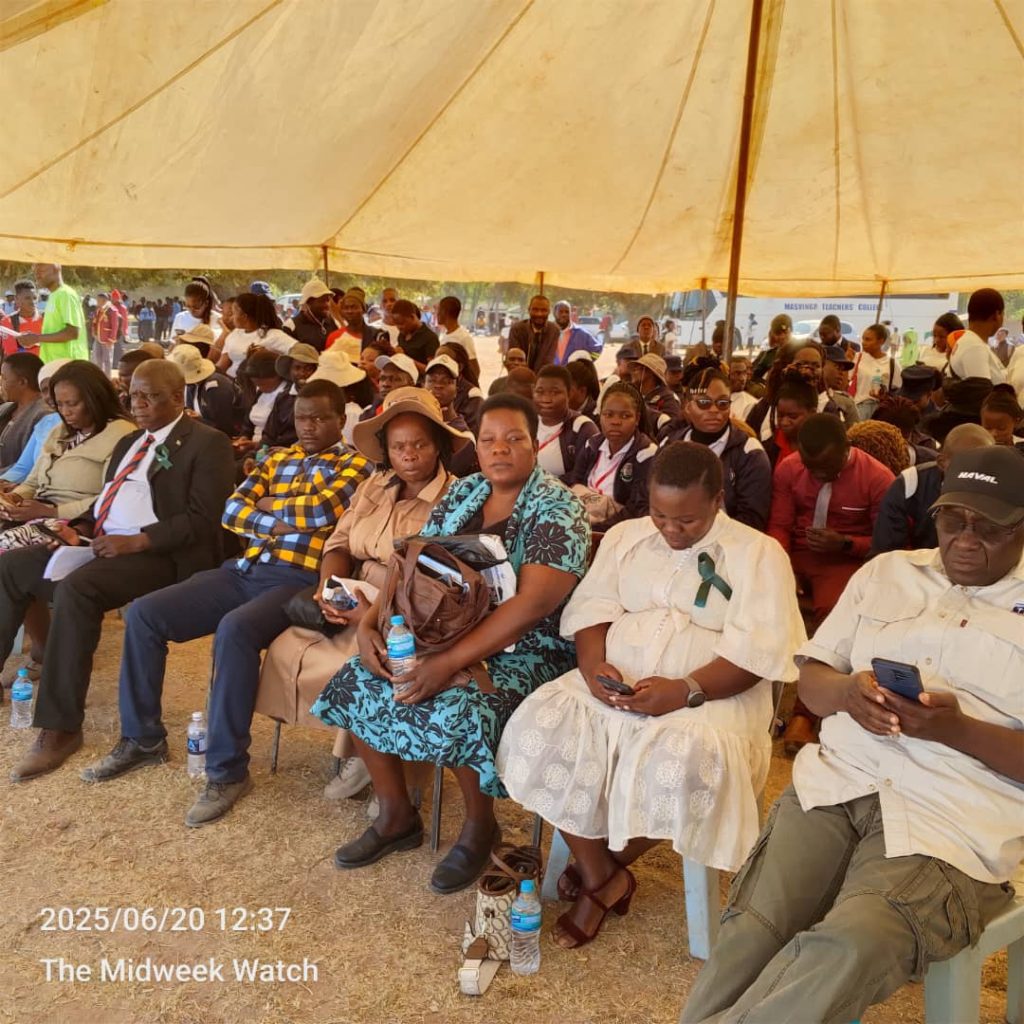
The commemorations were held at Gwindingwi High School in Bikita under the theme “Take the Right Path: My Health, My Rights, Our Responsibility”.
Guest of honour, director of coordination in the Minister of State’s office Rosemary Chingwe, emphasized the importance of the day as an opportunity to reflect on the country’s progress in tackling one of the world’s most enduring pandemics.
Since Zimbabwe’s first AIDS-related case was detected in 1985, the government has implemented deliberate and robust policies that have positioned the nation as a global example in the reduction of new HIV infections and increased domestic funding, notably through the National AIDS Trust Fund.
“Thanks to our collective response, we have continued to see a year-on-year decline in new infections, while the number of people on antiretroviral therapy (ART) continues to rise,” stated Chingwe, highlighting Zimbabwe’s alignment with the ambitious UNAIDS 95-95-95 targets set for 2025.
These targets call for 95% of people living with HIV to know their status, 95% of those diagnosed to be on treatment, and 95% of those on treatment to achieve viral suppression.
“Pursuing these targets has helped restore the dignity and rights of those infected and affected by HIV,” she said.
However, despite these successes, Chingwe warned that the country may fall short of the goal to end AIDS by 2030 if current efforts are not accelerated and adapted.
“The pace of reducing new infections is slowing, if we keep doing things the same way, we risk missing our target, we must be more strategic, especially in reaching the remaining 5% of people who are HIV-positive but unaware of their status,” she added.
To close this gap, the Ministry of Health and Child Care has intensified HIV case-based surveillance and scaled up HIV self-testing through oral and blood-based kits.
These efforts are being implemented within the differentiated service delivery model to ensure no one is left behind.
Despite overall declines in infections, women continue to carry the heaviest burden of the epidemic.
In 2023, of the 15,400 new HIV infections recorded nationally, 9,200 (59.7%) were among women.
Among adolescents, the statistics are even more alarming: girls accounted for 1,500 of the 1,700 new infections an astonishing 88.2%.
Masvingo Province mirrors this troubling trend, in 2024, 60% of the 1,695 new infections were females. Within the 10–19-year-old age group, girls made up 87.1% of new infections.
Bikita District, while rated as having a lower HIV burden with an 8.9% adult HIV prevalence and 0.12% incidence, still faces serious challenges.
Notably, ART coverage for children in the district is the lowest in the province, standing at only 77%, well below the national target of 95%.
Chingwe attributed some of the new infections to gender-based violence, child marriages, low risk perception, and increased sex work in growth points.
“These are deeply rooted in gender inequality and socio-economic vulnerabilities,” she said, calling for continued investment in targeted interventions such as Sister-to-Sister programs, as well as gender-transformative strategies like the Start Awareness and Start Action (SASA) model, which addresses gender-based violence and promotes the retention of girls in school.
The Guest of Honour emphasized the need to include men in the HIV response, both for their own health and to support women and children.
She also expressed concern over the ART coverage among children, which remains below 63% nationally.
In response, the Ministry has scaled up child-focused HIV services, including staff training, use of nucleic acid testing for infants, and provision of more palatable child-friendly ARVs.
Children are now a priority for viral load monitoring, and their vulnerability to vaccine-preventable diseases is being addressed through targeted vaccination campaigns regardless of HIV status.
For pregnant women and their infants, the government has adopted combined testing for HIV, syphilis, and hepatitis B to prevent mother-to-child transmission.
Recognizing the challenges in financing the HIV response, the government is actively pursuing sustainable solutions, while the National AIDS Trust Fund remains a vital source of funding, she underscored the need for increased domestic resource mobilization.
To ensure the continuity of HIV treatment beyond 2026, the Ministry of Health, in collaboration with the National AIDS Council and NatPharm, has embarked on a joint quantification exercise to secure adequate medicine supplies.
“The road ahead is long, but with unity, innovation, and commitment, we can stay on the right path to end AIDS by 2030,” she concluded by urging all stakeholders to reaffirm their commitment to health, human rights, and shared responsibility in the fight against HIV and AIDS.