Faith Ndou
Masvingo Province is actively implementing 96 wetland protection projects across the districts of Gutu, Masvingo, Bikita and Zaka, with the aim of safeguarding its vast wetland ecosystem.
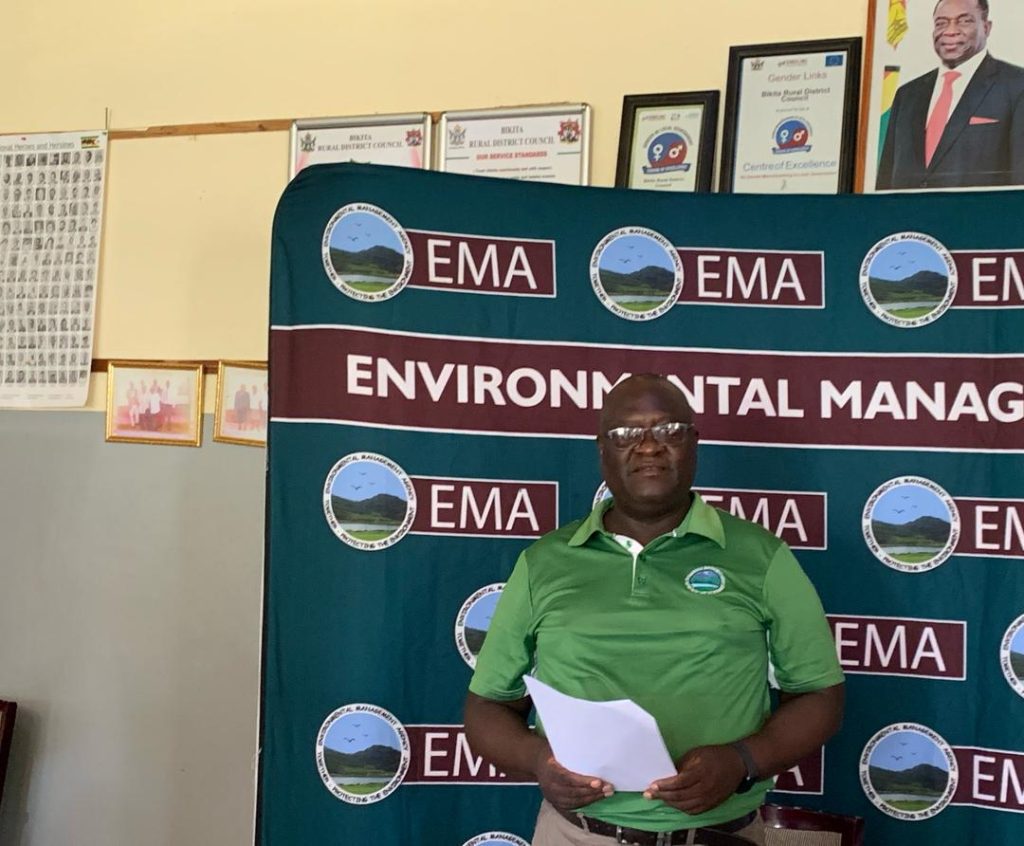
The projects which are being funded by the Government in partnership with organizations such as Christian Care, Aquaculture Zimbabwe and Care International are a critical part of the province’s efforts to ensure the sustainable management and conservation of wetland areas.
Environmental Management Agency (EMA) Provincial Manager Milton Muusha revealed this at the World Wetlands Day Commemorations held at Nerumedzo Primary School in Bikita district on the 6th of February 2026.
The event marked the global observance of the Ramsar Convention, an international treaty signed on the 2nd of February 1971, aimed at protecting wetlands around the world. Zimbabwe, a signatory to the convention, ratified it in 2012 and has since designated several wetlands including Driefontein Wetland in Masvingo Province as Wetlands of International Importance.
Muusha highlighted the importance of wetlands in Masvingo saying that the province is home to over 20,610 square kilometers of wetlands covering approximately 2 million hectares.
“Wetlands play a crucial role in regulating water systems, supporting biodiversity and mitigating the effects of climate change,” Muusha explained.
“The 96 projects we are implementing are designed to address key issues such as wetland degradation and improper resource utilization.”
The event also underscored the importance of integrating traditional knowledge and cultural practices into wetland conservation efforts.
This year’s World Wetlands Day theme, “Wetlands and Traditional Culture: Celebrating Cultural Heritage,” emphasizes the role of local communities in preserving these vital ecosystems.
Muusha recognized the leadership of Chief Nerumedzo and his community in safeguarding the Nerumedzo Wetland, an important wetland area in Bikita district.
“For generations, local communities and traditional leaders have used sacred cultural values to protect wetlands,” Muusha noted.
“This demonstrates that African heritage has always been an integral part of environmental protection.”
The Government through the National Development Strategy 2 (NDS2) has committed to the sustainable management of wetland resources, recognizing their significance in achieving the country’s vision of becoming an upper middle income economy by 2030.
As the celebrations concluded, Muusha called on all Zimbabweans to take responsibility for preserving their wetlands.
“We must work together to ensure that these ecosystems, which are vital to our livelihoods and the environment are protected for future generations.”
